
Norway
Explore Boundless Opportunities: Study in Norway
Study in Norway
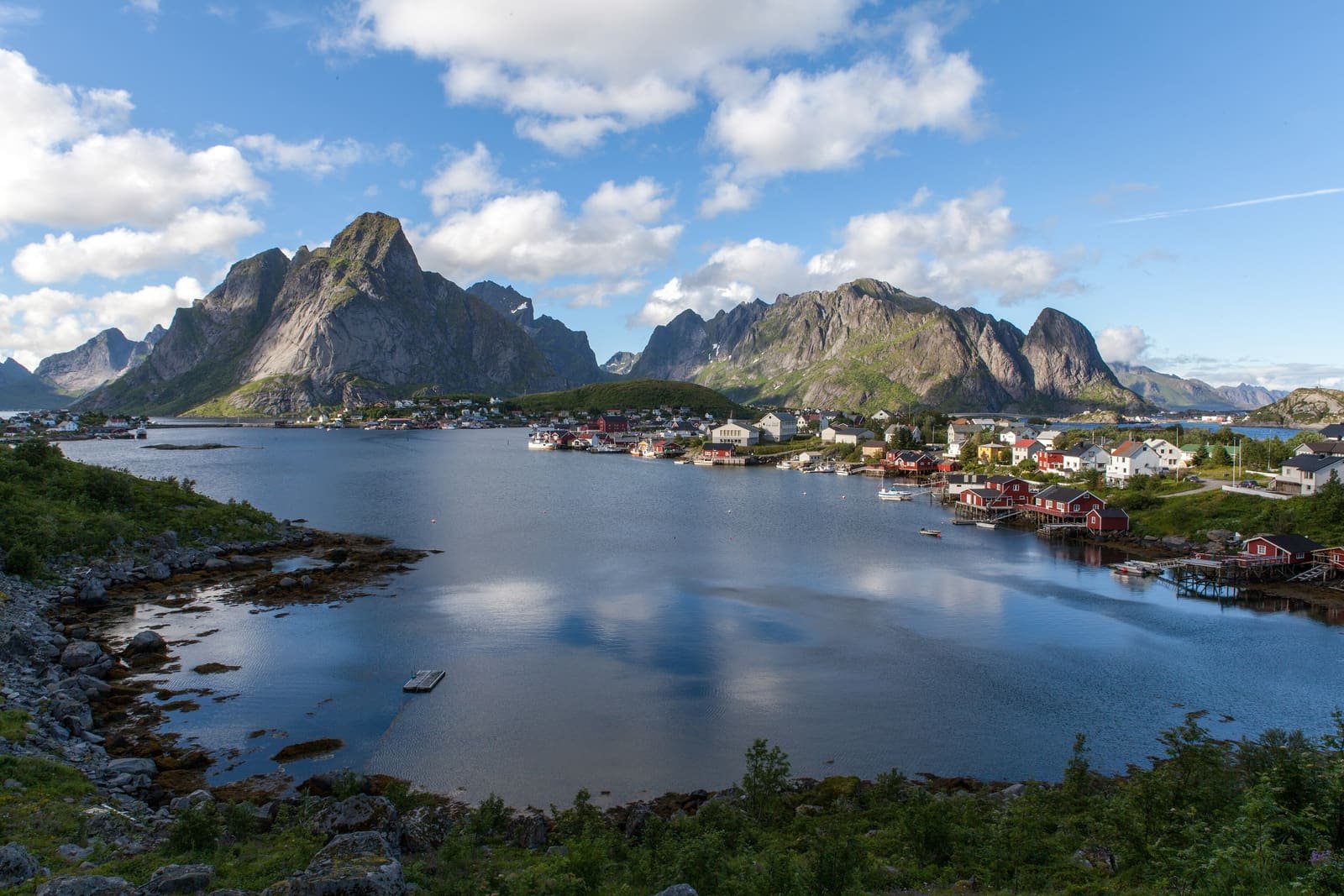
Norway consistently ranks among the best countries in the world for quality of life, equality and safety, making it an inspiring place to pursue higher education. Norwegian universities such as the University of Oslo, the Norwegian University of Science and Technology (NTNU) and the University of Bergen are known for research excellence in energy, marine science, engineering, climate and environmental studies, and the social sciences. Teaching is informal and student-centered, with small classes and close contact between students and professors. English is spoken almost everywhere, and a wide range of master's programs are taught entirely in English. Surrounded by dramatic fjords, mountains and the Northern Lights, students enjoy a clean, peaceful environment and a lifestyle built around the outdoors. A Norwegian degree is respected worldwide and offers a strong foundation for a global career.
Outstanding Quality of Life
Norway is one of the safest, cleanest and most equal societies in the world, with excellent public services.
Research-Led Education
Norwegian universities are leaders in fields such as renewable energy, maritime technology, climate research and public health.
English Everywhere
Many master's programs are taught entirely in English, and English is widely spoken in everyday life.
Work While You Study
International students with a study permit can usually work up to 20 hours per week during their studies and full-time during holidays.
Career Opportunities
After graduating, you can apply for a residence permit to look for work in Norway and join one of the best-paid labor markets in Europe.
Since autumn 2023, public universities in Norway charge tuition fees to students from outside the EU/EEA and Switzerland. Approximate costs for international students:
- Public UniversitiesNOK 120,000 – NOK 250,000 per year for most programsApproximately
- Private InstitutionsNOK 120,000 – NOK 200,000 per yearApproximately
- Semester FeeNOK 600 – NOK 1,000 per semester, paid to the local student welfare organization
Programs with a large practical or studio component, such as architecture and fine arts, may cost more.
Other Things to Consider
To receive a study permit, you must document that you can support yourself financially for your first year of study. The Norwegian Directorate of Immigration (UDI) sets this amount every academic year, and it is usually deposited in a Norwegian bank account or paid into your university's deposit account. Applications for most English-taught master's programs open in the autumn, with deadlines between December and March for students from outside the EU/EEA.
Plan Your Move to Norway
Ready to study in Norway?
Our counselors guide you from choosing a course to collecting your visa.